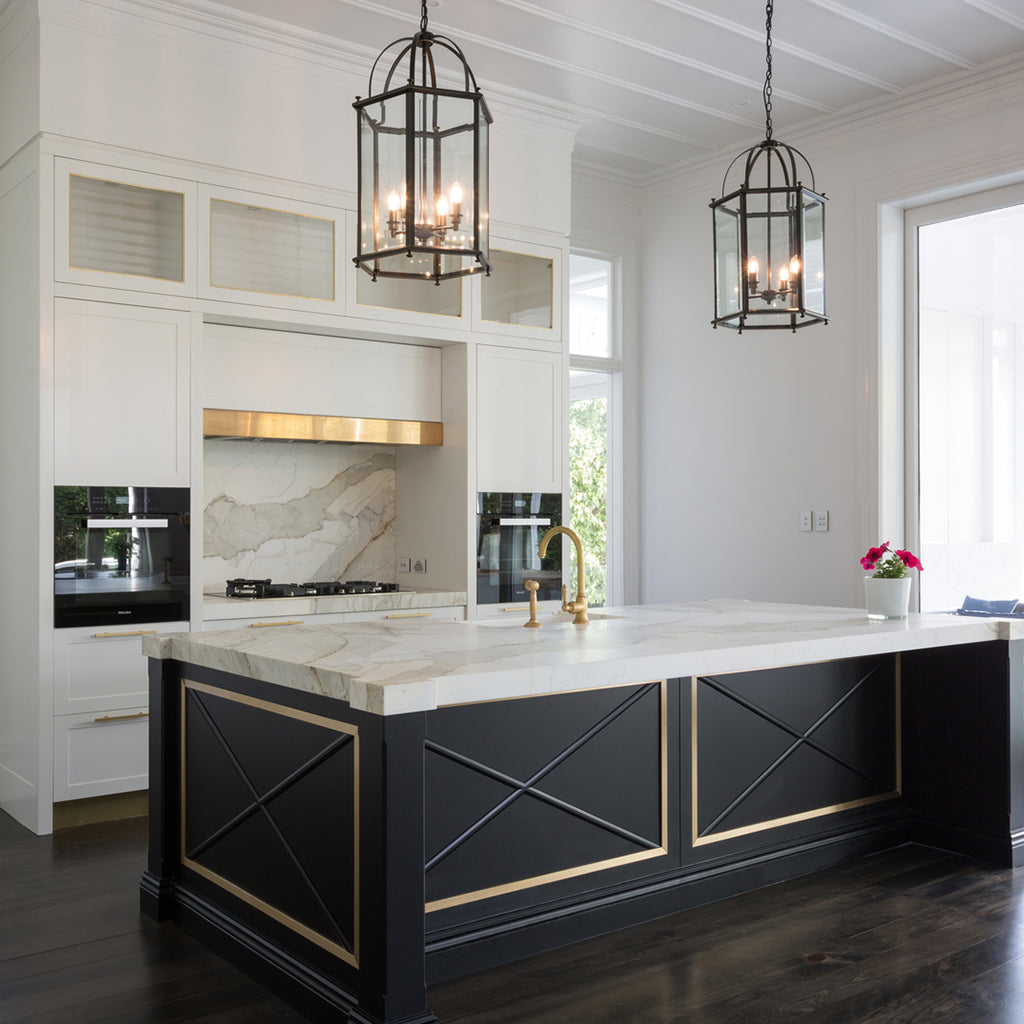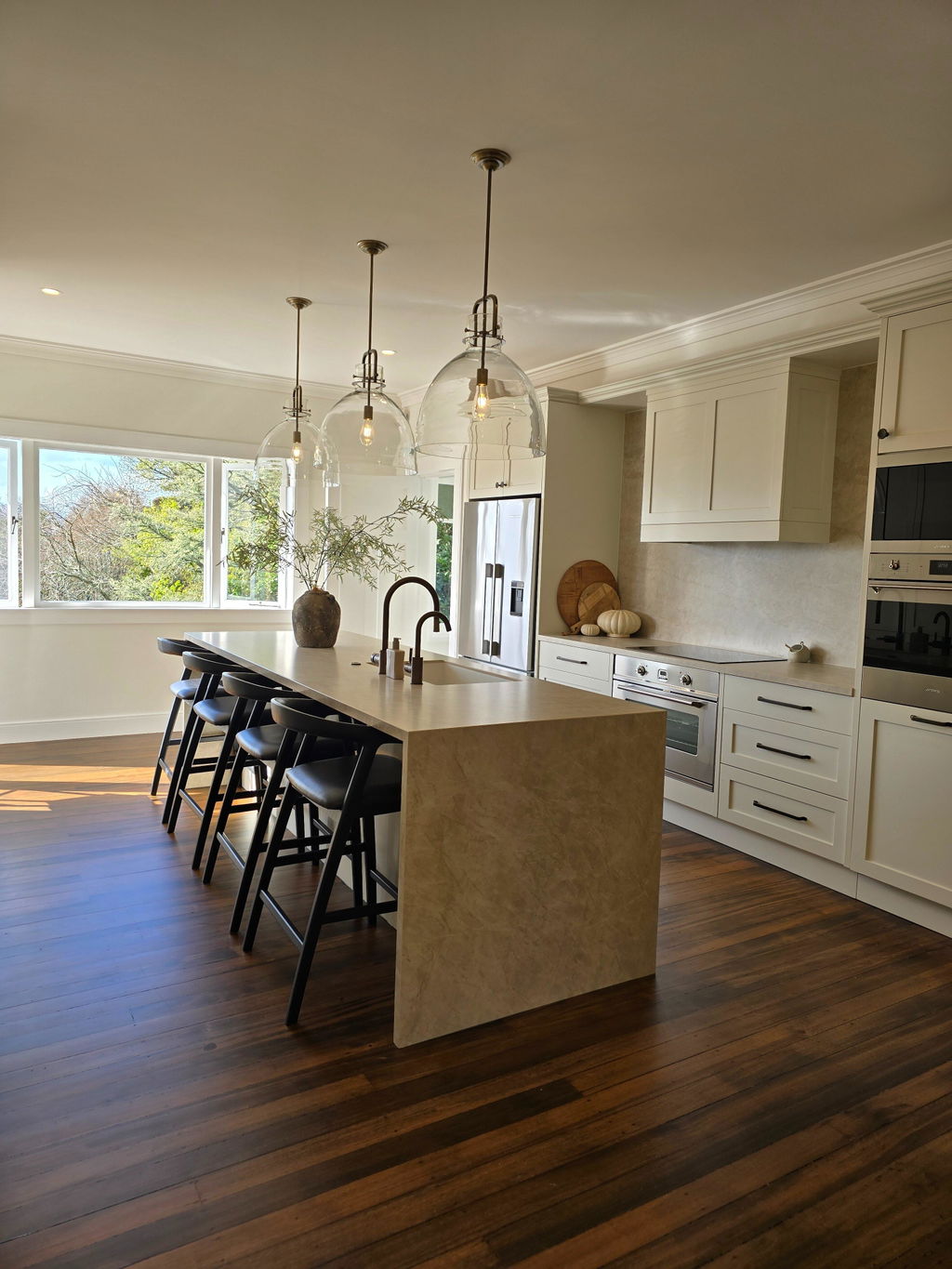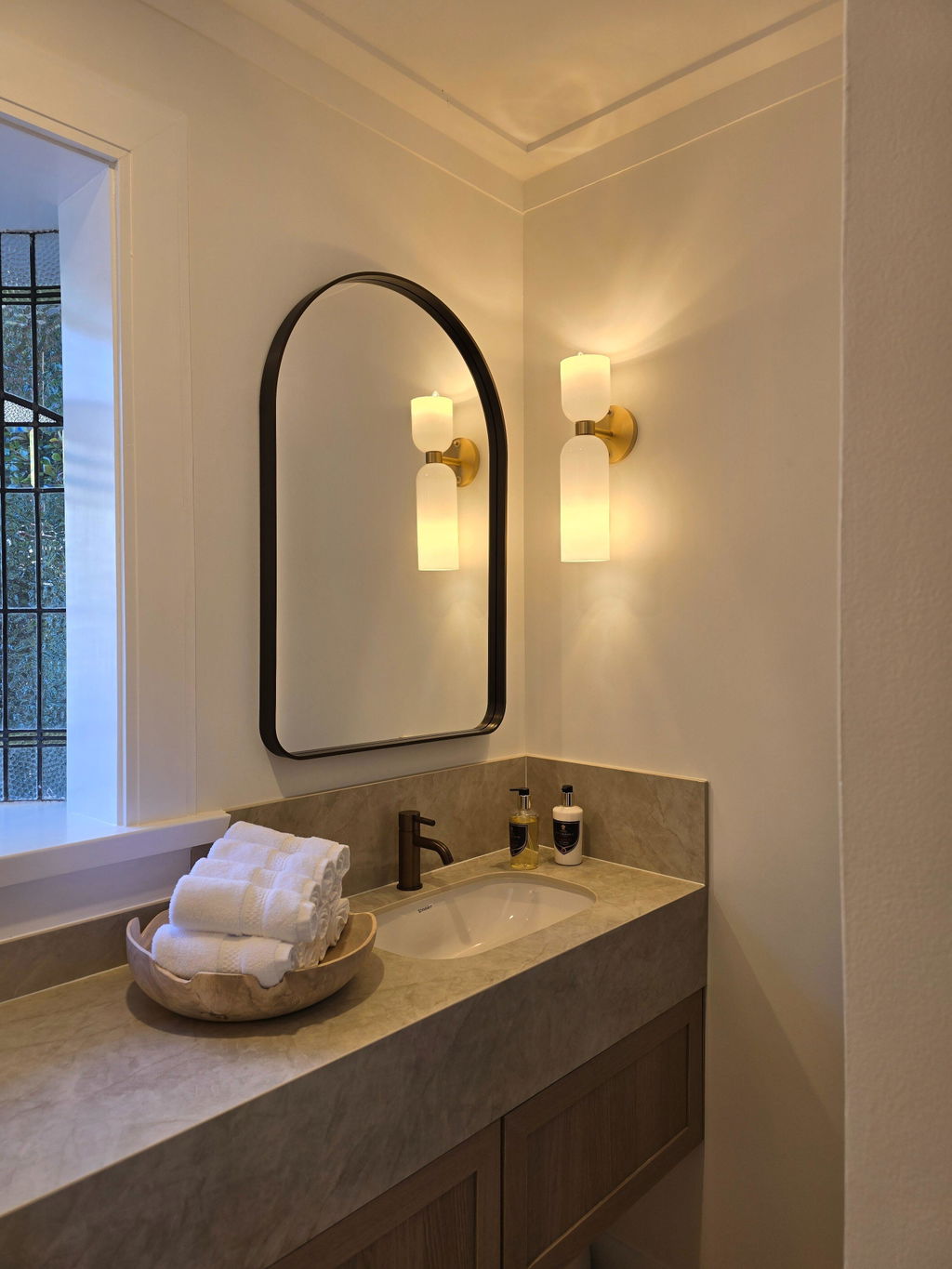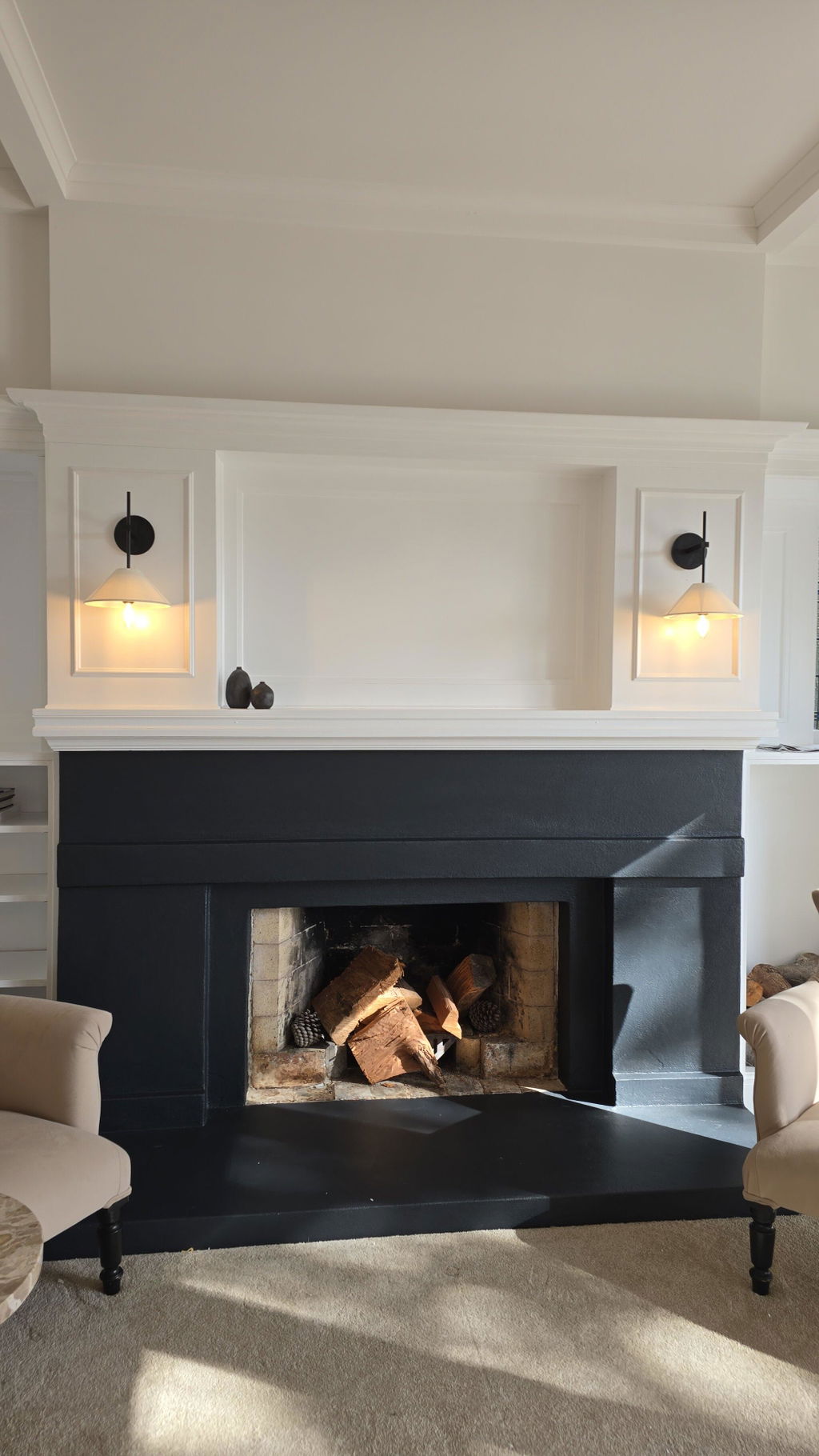



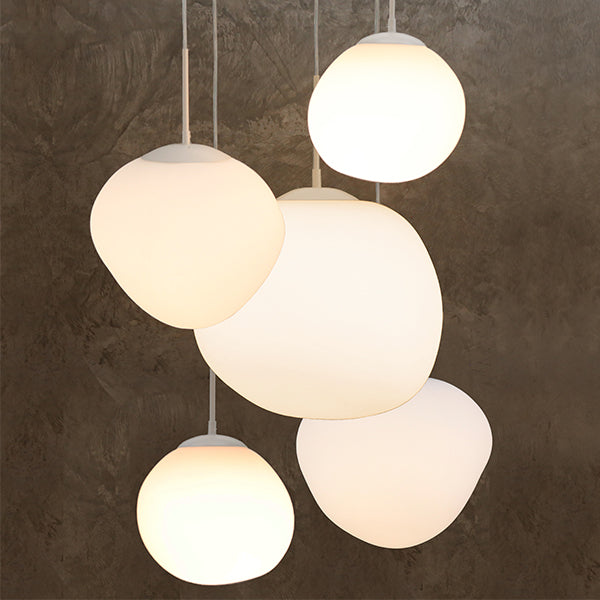

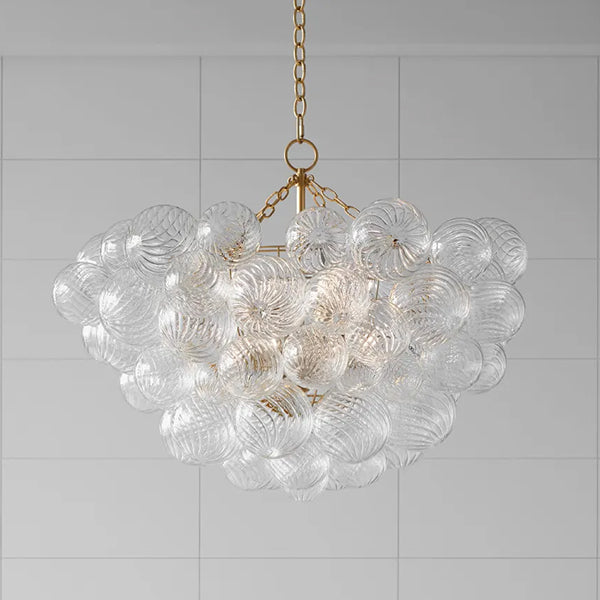

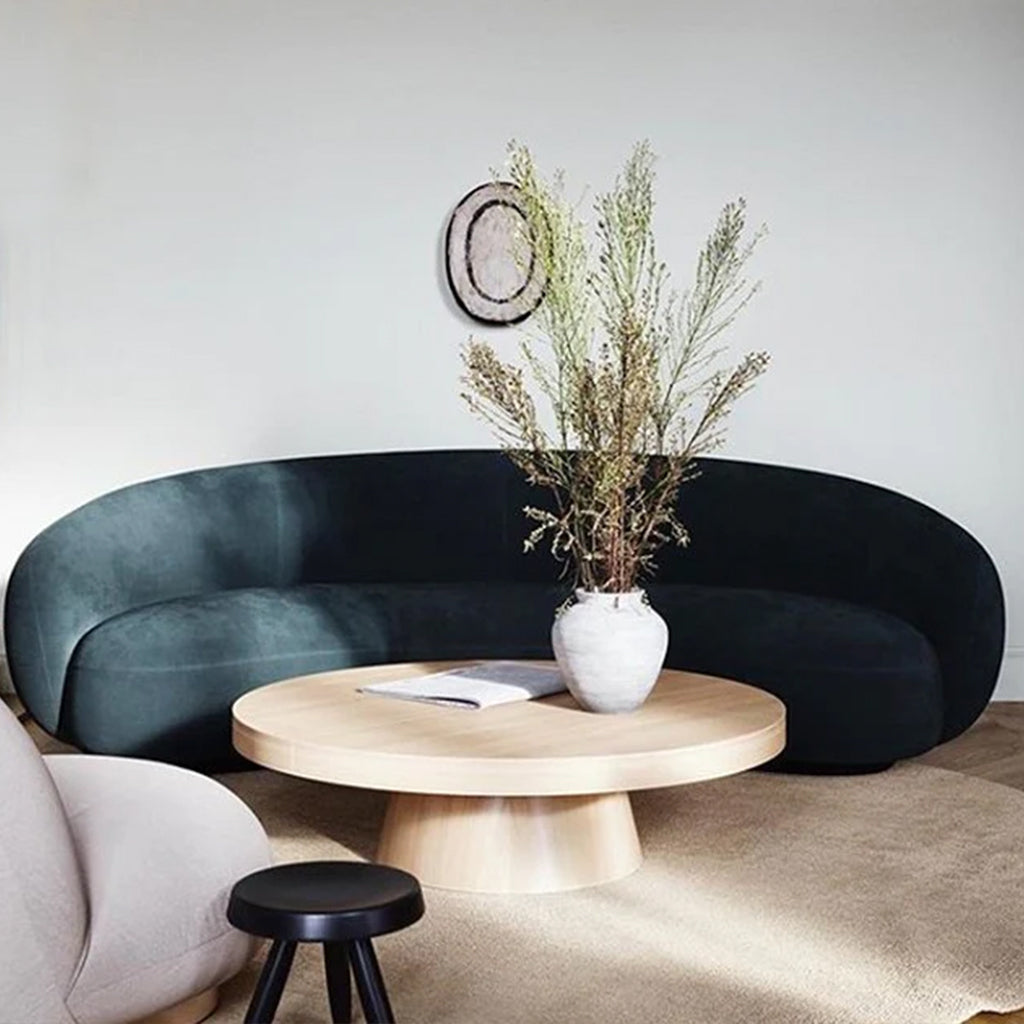

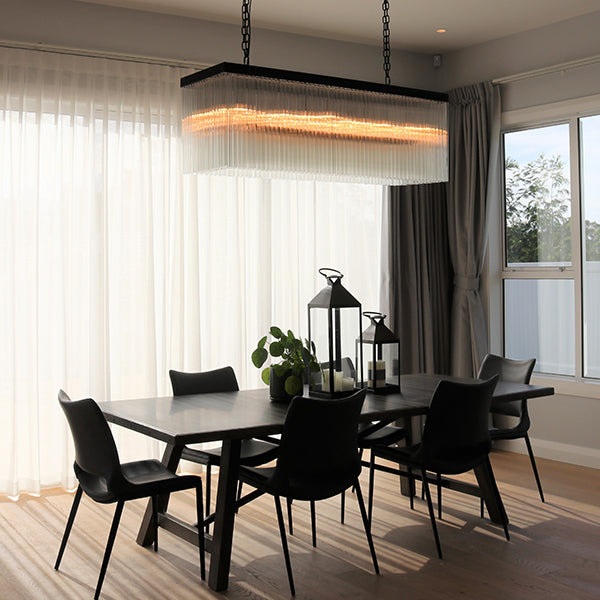





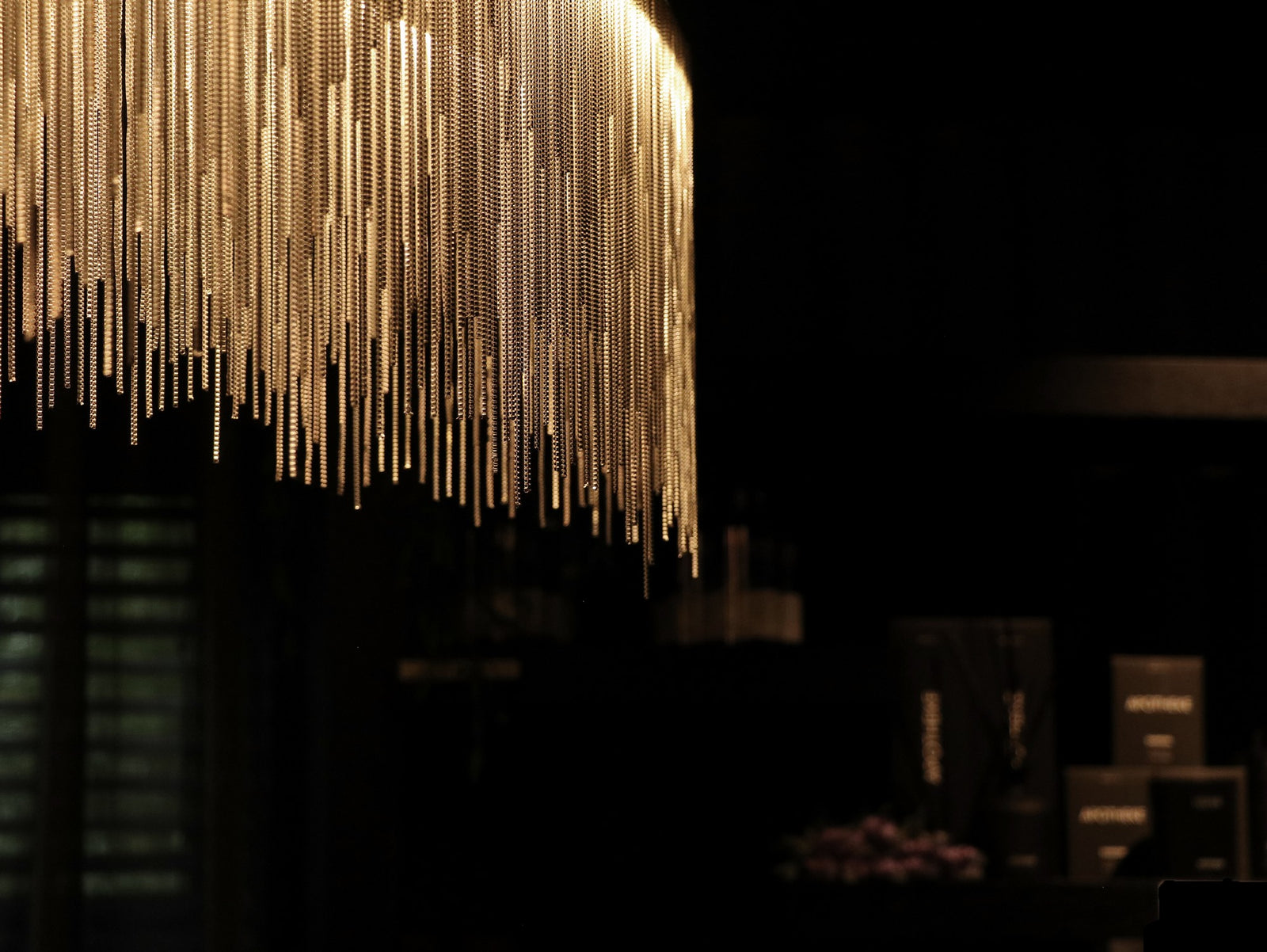

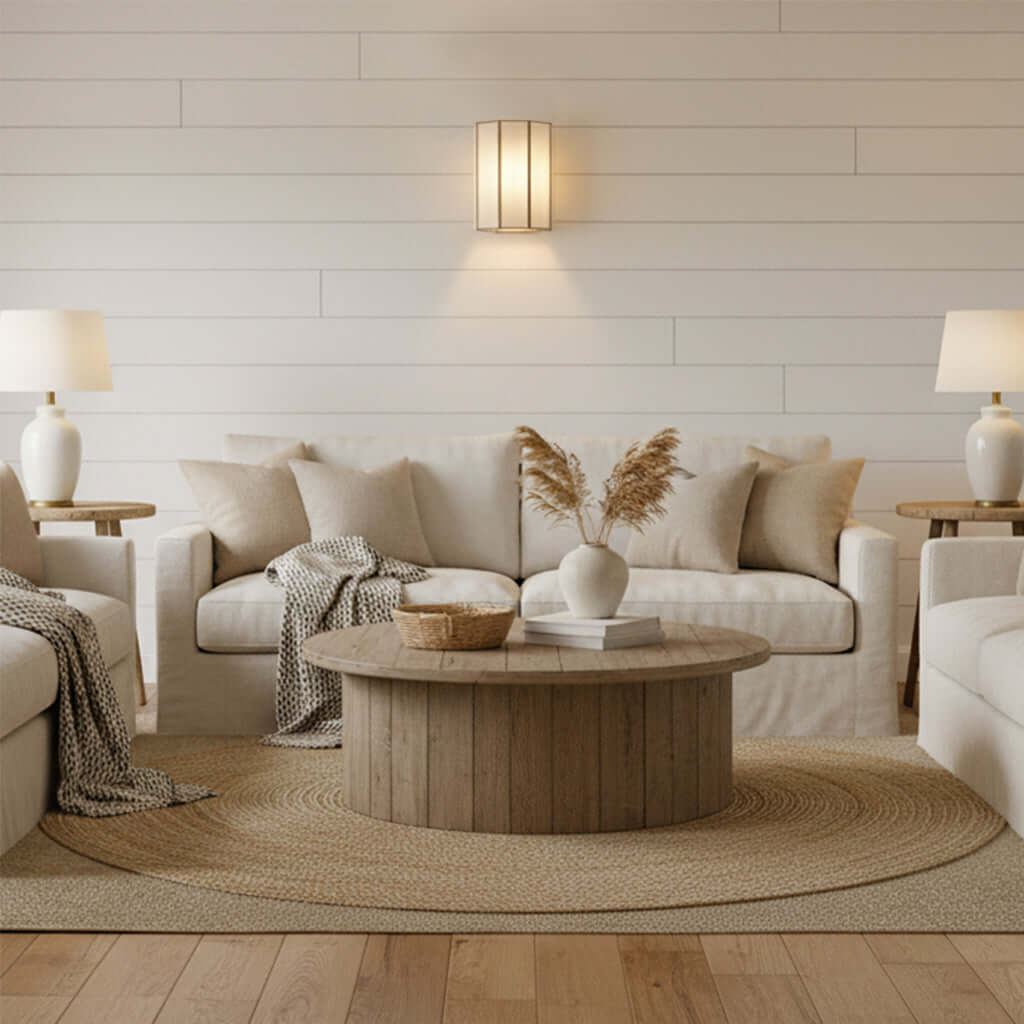

Wall lights are one of the most versatile ways to bring warmth, character and practical illumination into a home. They can provide soft ambient lighting, brighten a functional area, or become a beautiful design feature in their own right.
From bedside wall lights and bathroom sconces to decorative fittings for hallways and living rooms, the right wall lighting can transform how a space looks and feels. It also introduces another layer of light, reducing the need to rely on one central ceiling fitting or harsh downlights.
If you are looking for wall lights in NZ, this guide will help you choose the right style, size, finish and placement for each room.
Why Choose Wall Lights?
Wall lights provide illumination without taking up floor or tabletop space. This makes them especially useful in smaller rooms, narrow hallways and areas where a clean, uncluttered appearance is important.
They can be used to:
Add soft ambient lighting
Provide focused light for reading or grooming
Highlight artwork or architectural features
Frame a mirror, bed, fireplace or doorway
Introduce colour, texture and sculptural interest
Create a more layered and inviting lighting scheme
Wall lighting can also draw the eye around a room and help darker corners feel more considered and connected to the overall interior.
Where Can Wall Lights Be Used?
Wall lights can work in almost every part of a home, provided the fitting is suitable for the location and installed correctly.
Bedroom wall lights
Bedside wall lights are a stylish and practical alternative to table lamps. Because they are mounted on the wall, they free up space on bedside tables while providing useful light for reading.
Installing matching wall lights on either side of the bed creates a balanced, symmetrical look. For a more contemporary bedroom, consider sculptural wall lights that become decorative features even when they are switched off.
Before choosing a bedside wall light, consider whether you want focused task lighting or a softer glow. The best position will depend on the height of the bed, bedside tables and the person using the light.
Bathroom wall lights
Bathroom wall lights can make everyday tasks such as shaving, applying makeup and skincare easier. Positioning sconces on either side of a mirror can provide more even facial illumination than a single light directly overhead, which may create shadows.
Decorative bathroom wall lights can also add warmth and personality to a space that might otherwise feel quite functional.
Bathrooms have specific electrical and moisture requirements. Always confirm that a fitting is suitable for its intended bathroom location and have it installed by a qualified New Zealand electrician.
Hallway and entrance lighting
Wall lights are an excellent choice for hallways, entrances and transitional spaces. They add illumination without intruding into narrow walkways and can create a welcoming atmosphere when entering the home.
A series of coordinating wall lights can establish rhythm along a long hallway, while one distinctive fitting can highlight artwork, a console table or an architectural feature.
For a cohesive result, consider the viewing angle and spacing between each light. Decorative wall fittings are often visible at eye level, so their shape, materials and finish deserve careful consideration.
Living-room wall lighting
In a living room, wall lights can provide gentle background illumination that complements pendants, chandeliers, floor lamps and table lamps.
They can be positioned beside a fireplace, around shelving, above a console or near a favourite artwork. When connected to a dimmer, wall lights can help the room transition from bright everyday use to a softer evening setting.
Designer wall lights can also function as decorative objects, bringing shape, texture and personality to a blank wall.
Dining-room wall lights
Dining rooms should feel warm and inviting. While a chandelier or pendant usually provides the main focal point above the table, wall lights can add a softer secondary layer around the room.
This combination gives you greater control over the atmosphere and prevents the dining area from feeling overly bright or flat. Wall lights can also highlight artwork, cabinetry or architectural details surrounding the table.
Home-office wall lights
Wall lighting can provide targeted illumination in a home office without occupying desk space. An adjustable wall light may be useful near a workstation, while decorative sconces can soften the room and make it feel more integrated with the rest of the home.
A layered scheme combining ambient and task lighting can also reduce the contrast between a bright screen and a dark room.
How Do You Choose the Right Wall-Light Style?
The best wall lights should relate to the room’s architecture, furniture and other lighting without needing to match every detail exactly.
Modern wall lights
Modern wall lights often feature simple forms, clean lines and restrained finishes. They work well in contemporary homes and spaces where the lighting should feel refined but uncluttered.
Brass and metallic wall lights
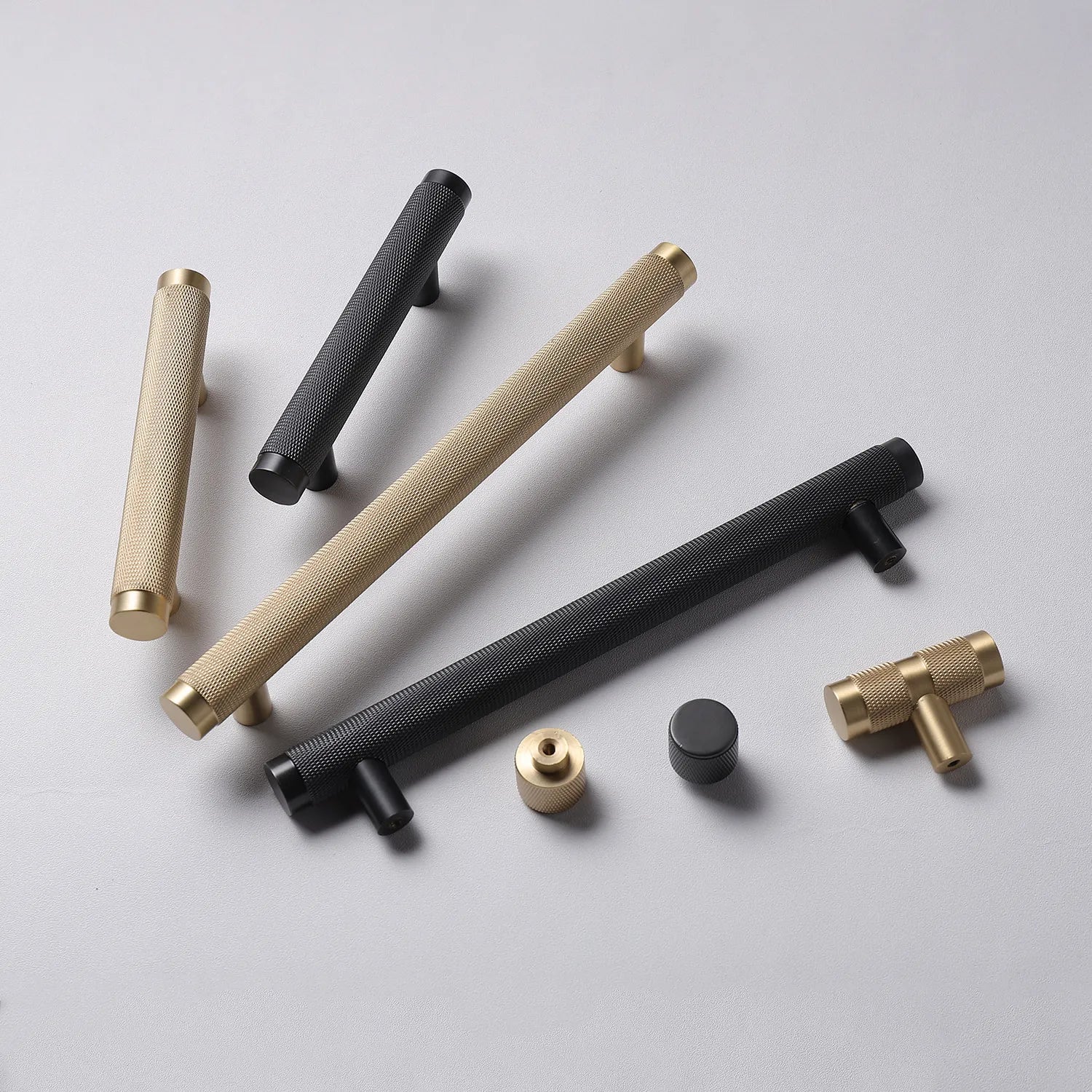
Antique brass, brushed brass, nickel and gunmetal finishes can introduce warmth and sophistication. Look at nearby door handles, tapware, furniture and decorative accessories when choosing a metal finish.
Using related finishes can create consistency, although mixing metals can also work beautifully when it feels deliberate.
Glass wall lights
Clear, frosted, smoked or coloured glass can change both the appearance of the fitting and the quality of light it produces. Clear glass can feel crisp and open, while frosted or opaque glass usually creates a softer, more diffused effect.
Statement wall lights
A sculptural wall light can act like a piece of art. Statement designs are particularly effective in entranceways, living rooms, dining areas and spaces where the fitting will be clearly visible.
Murano Plus offers wall lights ranging from understated contemporary designs to decorative designer sconces and distinctive feature pieces.
What Size Wall Light Should You Choose?
The correct size depends on the proportions of the wall, nearby furniture, ceiling height and whether the light is being used individually or as part of a pair.
A small fitting may become visually lost on a large wall, while an oversized wall light could overwhelm a compact bedside area. When choosing a fitting, review its complete dimensions rather than judging its scale from a product photograph alone.
You should also consider how far the light projects from the wall, particularly in hallways and other narrow spaces.
If you are selecting several wall lights for one room, check that they feel proportionate both individually and as a group.
How High Should Wall Lights Be Installed?
There is no single correct installation height for every wall light. Placement depends on the room, the fitting and its intended purpose.
Bedside reading lights should relate to the height of the mattress and the user’s seated position. Bathroom sconces need to work with the mirror and the height of the people using it. Hallway and living-room wall lights should be positioned to avoid glare while looking balanced within the space.
Before electrical wiring is finalised, mark the proposed position on the wall and consider the fitting’s dimensions, light direction and normal viewing angle. Your electrician and lighting consultant can help determine the best placement for your home.
Should Wall Lights Point Up or Down?
Upward-facing wall lights direct light towards the ceiling and can create a softer, more atmospheric effect. Downward-facing lights are often better for focused illumination, such as beside a bed or above a working surface.
Some fittings direct light both upwards and downwards, creating an attractive architectural effect on the wall.
The best option depends on whether you need ambient, task or accent lighting. It is also important to consider the bulb, shade and wall colour, as these will affect how the light appears within the room.
Can Wall Lights Be Used Without Ceiling Lights?
Wall lights can sometimes provide enough illumination for a small or atmospheric space, but most rooms benefit from several layers of lighting.
Combining wall lights with ceiling lights, pendants, chandeliers or lamps provides greater flexibility. You can use brighter general lighting when needed and switch to softer wall lighting in the evening.
Planning different light sources on separate switches or dimmers allows you to adjust the room for different activities and moods.
Designer Wall Lights in New Zealand
Murano Plus offers an extensive collection of wall lights for New Zealand homes, renovations and commercial interiors. The range includes contemporary wall lighting, bedside lights, bathroom sconces, decorative feature lights and internationally designed pieces from Visual Comfort & Co.
The designer collection includes wall lights created by recognised names such as AERIN, Kate Spade, Kelly Wearstler, Chapman & Myers, Thomas O’Brien and Sean Lavin.
Many designs are available by special order, so lead times can vary. If wall lighting is required for a new build or renovation, it is worth making your selections early in the project.
Explore the Murano Plus wall-light collection online or speak with the Auckland team for help choosing the right design, finish and scale for your space.
Frequently Asked Questions About Wall Lights
What are wall lights used for?
Wall lights can provide ambient, task or accent lighting. They are commonly used beside beds and mirrors, along hallways, in living rooms and to highlight artwork or architectural features.
Are wall lights suitable for bedrooms?
Yes. Bedside wall lights provide useful reading light while freeing up space on bedside tables. They can also create a balanced and sophisticated bedroom design.
Can wall lights be installed in a bathroom?
Some wall lights can be installed in bathrooms, but the fitting must be appropriate for the intended location and relevant moisture zone. Always check the product specifications and consult a qualified electrician before installation.
Do wall lights need to match ceiling lights?
Wall and ceiling lights do not have to match exactly. They should share enough common elements—such as finish, shape, material or overall design style—to feel cohesive within the room.
Are wall lights good for narrow hallways?
Yes. Wall lights can illuminate a hallway without taking up floor space. Choose a fitting with a suitable projection so it does not extend too far into the walkway.
Where can I buy designer wall lights in New Zealand?
Murano Plus offers wall lights online throughout New Zealand and from its showroom at 2 King Edward Avenue, Epsom, Auckland. The collection includes contemporary, decorative and luxury designer wall lighting.
Find the Right Wall Lights at Murano Plus
Whether you need practical bedside lighting, elegant bathroom sconces or a statement design for a living room or hallway, wall lights can add function, atmosphere and individuality to your interior.
Browse wall lights online at Murano Plus, visit the Auckland showroom or contact the team for expert advice on selecting wall lighting for your home or project.